 เกมยิงปลาได้เงินจริง
  เกมยิงปลา
  เว็บตรงสล็อตออนไลน์
  สล็อต เว็บนอก
  สมัครเว็บสล็อต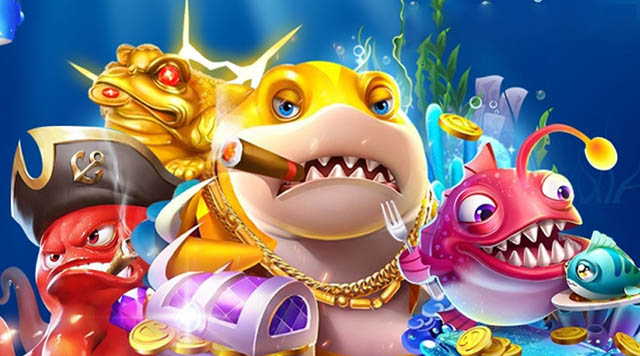










เกมยิงปลาได้เงินจริง
เกมยิงปลาได้เงินจริง เกมยิงปลาได้เงินจริง สิ่งที่คุณควรรู้ก่อนเล่นเกม fish shooting เกมยิงปลาได้เงินจริง เป็นเกมพนันออนไลน์ที่จะเข้ามาสร้างความเปลี่ยนแปลงให้ชีวิตของคุณไปในทิศทางที่ดีขึ้น โดยเกมนี้เปิดโอกาสให้นักเดิมพันทุกคนได้สนุกไปกับการยิงฝูงปลามากมาย คุณสามารถงัดสกิลต่างๆมาปรับใช้ได้เลย หากว่ายิงจนปลาตายก็จะได้รับเงินรางวัลตอบแทนกลับไปทันที เรียกได้ว่าเป็นการทำเงินทำกำไรที่ง่ายสุดๆ คนส่วนมากจึงเลือกใช้วิธีนี้เป็นการสร้างรายได้เสริมกันแทบจะทั้งนั้น สำหรับใครที่มีความสนใจอยากจะลองเข้ามาหาค่าขนมหรืออยากหาประสบการณ์ดีๆผ่านเกม fish shooting ก็อย่ารอช้ากันอย่างเด็ดขาด เกมเดิมพันประเภทนี้สามารถตอบโจทย์ความต้องการของคุณได้อย่างแน่นอน และก่อนที่จะเข้าไปร่วมสนุกกัน เราอยากแนะนำให้ทุกๆคนลองอ่านบทความเกี่ยวกับข้อควรรู้กันก่อน มันจะเป็นประโยชน์ต่อการเล่นเกมเอามากๆ...